If you're using a GLP-1 medication for weight management and paying attention to nutrition, you've probably already identified protein as something worth prioritizing.
That makes sense. When portions become smaller, getting adequate protein from the food that remains deserves attention. Protein grams also provide a convenient way to compare different food choices.
But protein grams are not the whole story.
A plant protein powder doesn't exist in isolation. It comes from a particular plant, and the characteristics of that plant — along with how the ingredient is processed — help determine what remains in the finished powder.
Two products may provide similar amounts of protein while differing in dietary fiber, minerals, fat, flavor, and other nutritional characteristics.
For someone eating smaller portions during GLP-1-supported weight management, those differences are worth understanding.
When eating less, it's not just about how much protein you get — it's also worth knowing what comes with it.
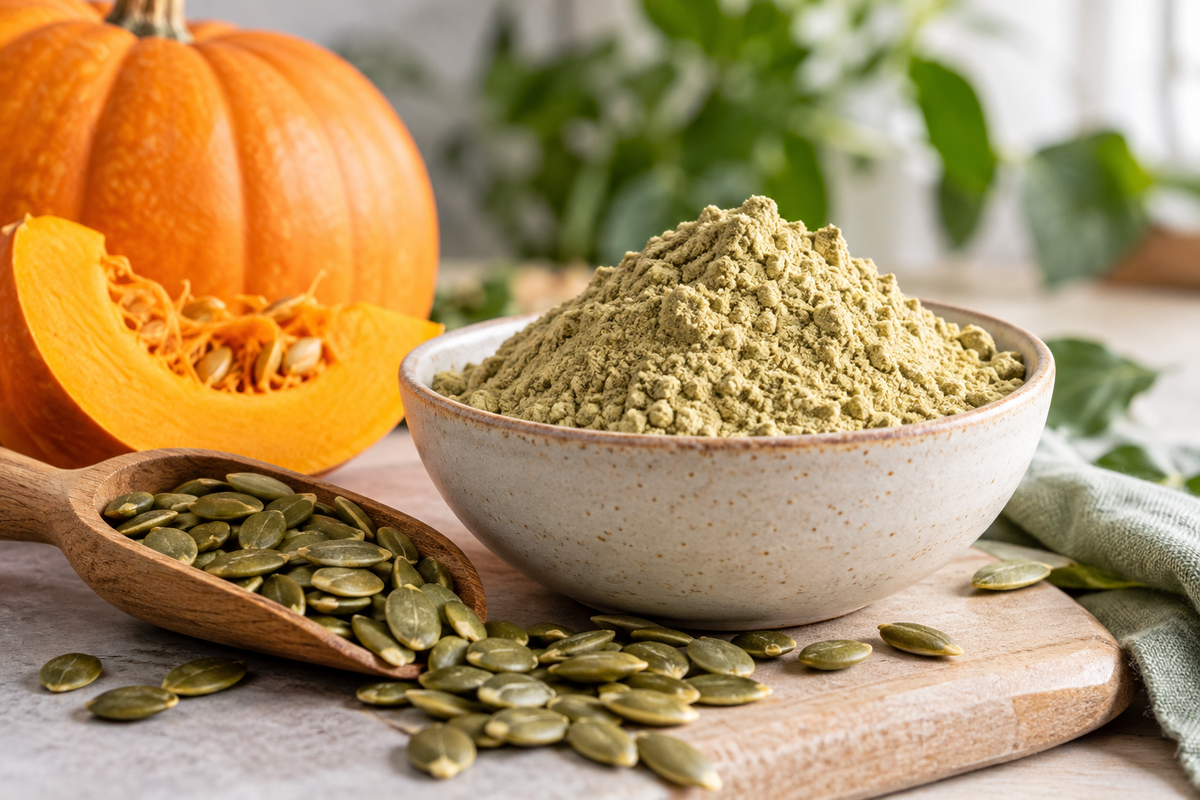
Pumpkin seed protein is an interesting example. Unlike legume-derived proteins such as mung bean protein, it comes from a seed traditionally associated with a different nutritional composition.
And in the case of Unleash'd Organic Pumpkin Seed Protein Powder, the finished product's Nutrition Facts tell a story that goes beyond protein alone: dietary fiber and iron are also part of the picture.
Not All Plant Proteins Are Nutritionally Identical
Plant protein comes from a wide range of sources.
Legumes such as mung beans, peas, lentils, and chickpeas are familiar protein-containing foods. Pumpkin, hemp, and sunflower seeds represent another group of plant ingredients. Grains such as rice and oats also contain protein, although in different proportions.
All these foods contain protein, but they do not begin with identical nutritional compositions.
Pumpkin seeds naturally contain protein alongside oils, minerals, fiber, and other plant components. Legumes generally contain protein within a different combination of starch, fiber, and other nutrients.
When these foods are processed into protein powders, their nutritional proportions can change substantially.
Protein may become more concentrated. Oil, starch, or other components may be reduced or separated, depending on the manufacturing approach.
That processing does not make every plant protein powder nutritionally equivalent.
Amino acid composition also differs among plant protein sources. However, a precise assessment of any finished product's amino acid profile or protein quality requires appropriate product-specific information.
For everyday consumers, the practical point is simpler:
Protein content is important, but the finished Nutrition Facts can tell you considerably more about what a protein ingredient provides.
Seed-Based vs. Legume-Based Protein: What's the Difference?
Pumpkin seed protein and mung bean protein begin with different plants.
Pumpkin seed protein comes from the seeds of plants in the Cucurbita genus, part of the Cucurbitaceae family.
Mung bean protein comes from Vigna radiata, a member of the Fabaceae family, commonly known as the legume family.
Technically, both ingredients originate from seeds. The distinction is that pumpkin seeds are culinary seeds from a cucurbit plant, while mung beans are legume seeds.
Their natural compositions are different.
Pumpkin seeds are naturally oil-rich and contain protein and minerals. Mung beans are generally much lower in fat and contain substantial starch alongside their protein.
When processed into protein powders, these differences influence the manufacturing approaches that may be used and the nutritional composition of the finished products.
| Feature | Pumpkin Seed Protein | Mung Bean Protein |
|---|---|---|
| Botanical source | Cucurbita species | Vigna radiata |
| Botanical family | Cucurbitaceae | Fabaceae |
| Food-source category | Pumpkin seeds | Legume seeds |
| Starting ingredient | Naturally oil-rich, protein-containing seeds | Naturally starch-rich, protein-containing legumes |
| Protein-focused processing | May involve reducing the seed's oil fraction | May involve separating protein from starch and other components |
| Typical flavor character | Mild, nutty, seed-like | Mild, bean-like plant-protein character |
| Finished nutritional profile | Depends on the processing method and finished product | Depends on the processing method and finished product |
Neither protein source is inherently superior simply because of its botanical origin.
A pumpkin seed protein powder may contain meaningful amounts of certain nutrients, while a mung bean protein powder may have a different balance of protein and other components.
The actual differences must be established from the finished products.
This is why choosing a plant protein should involve more than identifying its source or comparing a single number.
For a closer look at mung bean protein and its role during GLP-1-supported weight management, see our related article:
Eating Less on GLP-1? How Mung Bean Protein Can Help You Prioritize Protein
Beyond Protein: What Else Does Pumpkin Seed Protein Provide?
A 30 g serving of Unleash'd Organic Pumpkin Seed Protein Powder provides 19 g of protein, 4 g of dietary fiber, and 7.5 mg of iron (42% Daily Value), according to its current Nutrition Facts label.
These three values show why looking beyond protein grams can be useful.
| Nutrient | Per 30 g Serving | Daily Value | Nutritional Role |
|---|---|---|---|
| Protein | 19 g | — | Provides amino acids needed for normal body functions |
| Dietary Fiber | 4 g | 13% | Contributes to dietary fiber intake and digestive regularity |
| Iron | 7.5 mg | 42% | Essential for hemoglobin formation and oxygen transport |
Each nutrient contributes something different.
Protein: The Primary Nutritional Foundation
Protein provides amino acids that the body uses to build and maintain tissues and carry out many normal physiological processes.
During significant weight loss, adequate protein intake remains an important part of overall nutrition.
For adults using GLP-1 medications, this may require more intentional food choices when appetite and portions decrease.
Unleash'd Organic Pumpkin Seed Protein Powder provides 19 g protein per labeled 30 g serving.
That makes protein the primary nutritional contribution of the product.
However, protein is not the only nutrient worth considering.
Dietary Fiber: Something Beyond Protein Alone
The same serving provides 4 g of dietary fiber.
Fiber is an important part of a balanced diet and plays a role in normal digestive function and regularity.
When overall food intake decreases, fiber intake may decrease as well, particularly if vegetables, fruit, legumes, and whole grains become less frequent in everyday meals.
A plant protein powder that also provides dietary fiber can therefore contribute something beyond its protein content.
This does not mean it should replace other fiber-containing foods.
Vegetables, fruits, whole grains, legumes, nuts, and seeds remain important parts of a varied eating pattern.
For GLP-1 users, digestive tolerance also matters. Some people experience fullness, bloating, or other gastrointestinal discomfort during treatment. Increasing fiber substantially or suddenly may not be comfortable for everyone.
The goal is to maintain appropriate dietary fiber intake within an eating pattern that works for the individual, not simply to maximize fiber.
Iron: A Mineral Worth Understanding
The third important component is iron.
Unleash'd Organic Pumpkin Seed Protein Powder lists 7.5 mg iron per 30 g serving, representing 42% of the Daily Value on its current Nutrition Facts label.
Iron has a different nutritional role from protein or fiber.
It is an essential mineral involved in hemoglobin formation and oxygen transport.
This makes iron a useful nutrient to consider when evaluating the broader composition of a plant protein ingredient.
However, iron content and iron absorption are not the same thing.
Understanding that distinction is particularly important when discussing iron from plant foods.
Unleash'd Organic Pumpkin Seed Protein Powder
Why Iron Deserves a Closer Look
Iron is often discussed in conversations about plant-based eating, but it receives less attention than protein when people compare protein powders.
Its role in the body is well established.
Iron is required for the formation of hemoglobin, the protein in red blood cells responsible for transporting oxygen throughout the body.
Dietary iron is commonly discussed in two forms: heme iron and non-heme iron.
Heme iron is found in animal-source foods such as meat and poultry. Non-heme iron is found in plant foods and also occurs in certain animal-derived foods.
These forms differ in how they are absorbed.
Heme iron is generally absorbed more readily and is less affected by other components of a meal.
Non-heme iron absorption is more variable.
For example, vitamin C consumed with a meal can improve non-heme iron absorption. Certain dietary compounds, including phytates, can reduce its absorption, while the overall meal composition and an individual's iron status also influence how much is absorbed.
Pumpkin seed protein is a plant-derived food ingredient, so its naturally occurring iron is considered non-heme iron.
The 7.5 mg shown on the product label represents the amount of iron present per serving. It does not mean the body absorbs all 7.5 mg.
Iron content and iron absorption are different concepts.
A food may contribute a meaningful amount of dietary iron while the amount actually absorbed depends on the broader dietary context.
That distinction should not diminish the importance of iron as a nutrient. It simply helps explain how to interpret a Nutrition Facts label accurately.
For people who eat vegetarian or predominantly plant-based diets, understanding sources of non-heme iron can be particularly useful.
And for adults eating smaller portions during GLP-1-supported weight management, knowing which nutrients accompany a protein ingredient can help build a more informed view of their overall diet.
Pumpkin seed protein is not an iron supplement or a treatment for iron deficiency or anemia. Its iron content is one nutritional characteristic of the food, to be considered alongside the rest of the diet.
What Happens When Pumpkin Seeds Become Protein Powder?
Whole pumpkin seeds naturally contain protein, oils, fiber, minerals, and other plant compounds.
Their natural oil content is one of the characteristics that distinguishes them from many legumes.
But pumpkin seed protein powder is not simply nutritionally identical to whole pumpkin seeds in powdered form.
Protein-focused processing changes the proportions of different components.
Depending on how the ingredient is manufactured, some of the seed's oil fraction may be reduced, allowing protein to represent a greater share of the finished ingredient.
This helps explain why the nutritional composition of a pumpkin seed protein powder can differ substantially from that of whole pumpkin seeds.
For example, the current Unleash'd Organic Pumpkin Seed Protein Powder label lists 0 g total fat per 30 g serving.
Whole pumpkin seeds naturally contain substantial fat, while the finished powder has a different labeled composition. The displayed value should be interpreted according to applicable Nutrition Facts rounding rules rather than as proof that absolutely no fat molecules remain.
The same principle applies to fiber and minerals.
Their amounts in the finished ingredient depend on the raw material and processing method.
The nutritional composition of whole pumpkin seeds should not automatically be transferred to a finished pumpkin seed protein powder.
For consumers, the finished Nutrition Facts provide the most useful information about the product they are actually eating.
If you'd like a deeper explanation of pumpkin seed protein powder, including its natural color differences, flavor, and processing, see our general ingredient guide:
What Is Pumpkin Seed Protein Powder? Natural Nutrition, Color, Taste & Everyday Uses
Why This Matters When Eating Less on GLP-1
For adults using GLP-1-based medications as part of medically supervised weight management, appetite and eating patterns may change.
Portions may become smaller. Meals may become simpler. Some people intentionally reduce portions as part of their weight-management goals, while others experience reduced appetite or earlier fullness.
In either situation, the nutritional composition of the food being eaten deserves attention.
Protein is an important part of that picture.
But smaller food intake does not make dietary fiber, iron, or other essential nutrients irrelevant.
A plant protein powder that also provides dietary fiber and iron offers nutritional contributions beyond protein alone — something worth considering when comparing different protein ingredients.
That does not mean every food must provide several nutrients at once.
Nor does it mean that a food containing more types of nutrients is automatically better than a more concentrated protein ingredient.
Different foods serve different roles in a balanced diet.
A protein isolate may be useful when someone is specifically looking for protein. Another plant protein product may offer protein alongside fiber or minerals.
The best choice depends on the person's broader eating pattern and nutritional priorities.
For pumpkin seed protein, the current label provides a concrete example of this broader perspective.
Its protein content is important, but its dietary fiber and iron are also relevant characteristics.
When portions get smaller, understanding what comes with your protein can help you make more informed food choices.
This is not about making GLP-1 medications work better.
There is no established basis for claiming that pumpkin seed protein enhances the medication's effects, suppresses appetite further, or accelerates weight loss.
Its role is nutritional, not pharmacological.
For a broader discussion of protein, plant variety, and everyday food choices during GLP-1-supported weight management, see our overview:
What to Eat on GLP-1: 5 Plant Powders for Protein, Plant Variety & Everyday Nutrition
Choosing Plant Protein Is About More Than One Number
When comparing plant protein powders, protein grams are an obvious starting point.
But they should not necessarily be the only consideration.
A few additional details on the Nutrition Facts label can help provide a fuller picture.
Dietary fiber. Does the finished product provide fiber alongside its protein? Different protein-processing methods may retain different amounts.
Minerals. Does the label show meaningful amounts of iron or other minerals? These values should come from the finished product rather than assumptions about the original plant.
Fat content. A protein-focused powder may have a different fat profile from its starting ingredient. This can influence its overall nutritional composition.
Sodium. Some plant protein powders contain more sodium than consumers might expect. Unleash'd Organic Pumpkin Seed Protein Powder lists 320 mg sodium per 30 g serving, which is worth considering as part of an individual's overall dietary intake.
Ingredients. Understanding the source ingredient and what has been added to a product can help consumers choose foods that fit their preferences.
Taste and texture also matter.
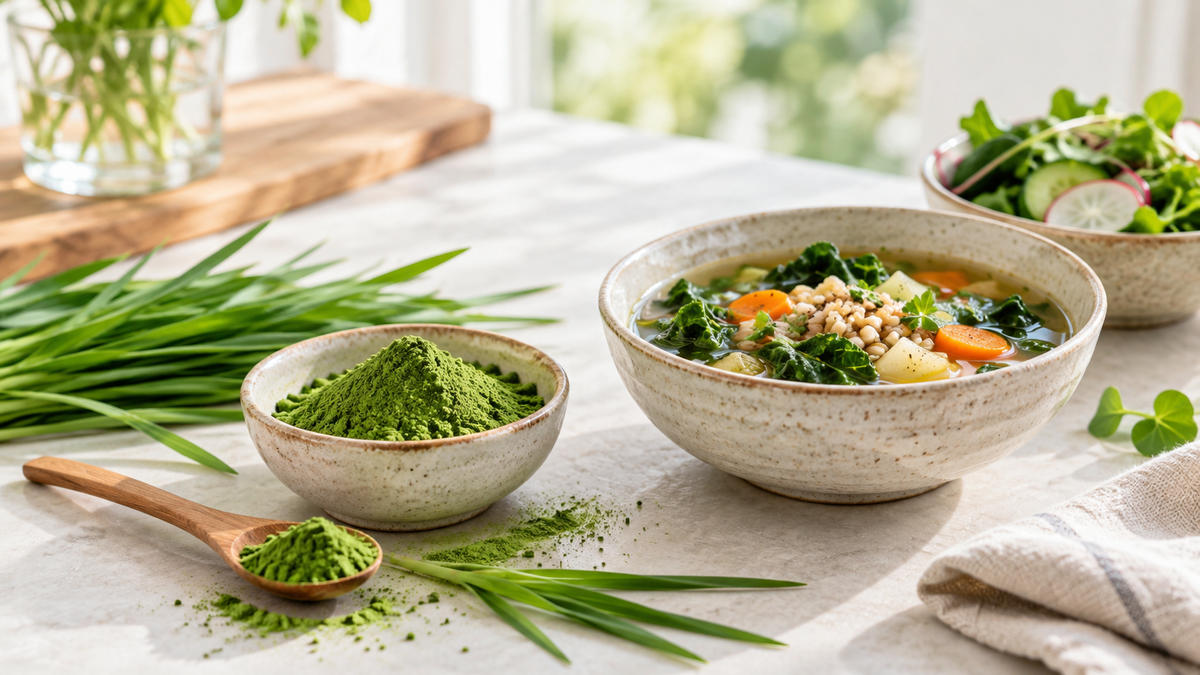
Pumpkin seed protein generally has a mild, nutty, seed-like flavor. It can be incorporated into foods such as oatmeal, savory soups, grain-based dishes, or blended preparations when the flavor and texture work well together.
For someone already eating smaller meals, there is no need to build an entirely separate eating occasion around a protein powder.
It can simply become an ingredient in food that was already going to be prepared.
The broader point is that plant protein choices are not one-dimensional.
A person prioritizing protein grams may evaluate a product differently from someone also paying attention to dietary fiber, iron, sodium, or ingredient preferences.
Understanding these differences makes food comparisons more useful.
The Bigger Picture: Protein, Fiber, Iron, and Everyday Nutrition
Pumpkin seed protein is not valuable because it changes how GLP-1 medications work or because it directly produces weight loss.
It is a seed-derived plant protein ingredient with a nutritional composition shaped by its botanical origin and processing.
According to its current Nutrition Facts, Unleash'd Organic Pumpkin Seed Protein Powder provides protein alongside dietary fiber and iron.
That combination gives consumers more information to work with than protein grams alone.
It also illustrates an important distinction between different plant protein sources.
A legume-derived protein and a pumpkin seed-derived protein may both be useful foods, but their nutritional characteristics do not have to be identical.
Neither needs to be declared universally better.
For adults managing weight with GLP-1-based medications, the broader nutritional composition of foods remains important as portions change.
Protein deserves attention. Dietary fiber matters. Essential minerals, including iron, remain part of everyday nutrition.
When eating less, it's not just about how much protein you get — it's also worth knowing what comes with it.
That is a more useful way to think about pumpkin seed protein: not as a shortcut to weight loss, but as a plant-derived food ingredient whose nutritional contribution extends beyond a single number on the label.

Leave a comment
This site is protected by hCaptcha and the hCaptcha Privacy Policy and Terms of Service apply.