
Passionflower has become a staple in many wellness routines, especially among people who live active, health conscious lives and are looking for natural ways to unwind. Known for its calming effects, this flowering plant has a long history of use for supporting relaxation, easing occasional anxiety, and promoting better sleep. As interest in organic and plant based supplements continues to grow, passionflower is showing up more often in teas, extracts, and daily health regimens.
With that increased use comes an important and responsible question: is passionflower safe for the liver? The liver is one of the hardest working organs in the body, filtering everything we consume. If you care about long-term health and what you put into your body, understanding how a supplement interacts with liver function is essential. This article takes a balanced, evidence based look at passionflower, its nutrition, its benefits, and what science suggests about its safety for liver health.
Overview of Passionflower and Its Nutritional Profile
Passionflower, commonly referred to as Passiflora incarnata, is a climbing vine native to North and South America. It has been used for centuries in traditional herbal practices, particularly for calming the nervous system without creating a heavy or sedating feeling. Unlike many modern solutions that aim to overpower symptoms, passionflower has traditionally been used to gently support the body’s natural rhythms.
Nutritionally, passionflower contains a variety of plant compounds that contribute to its health benefits. These include flavonoids and other phytochemicals that act as antioxidants, along with trace minerals such as magnesium. While passionflower is not consumed for protein the way seeds or legumes are, its nutrition profile supports wellness in a different way, through cellular protection and nervous system support.
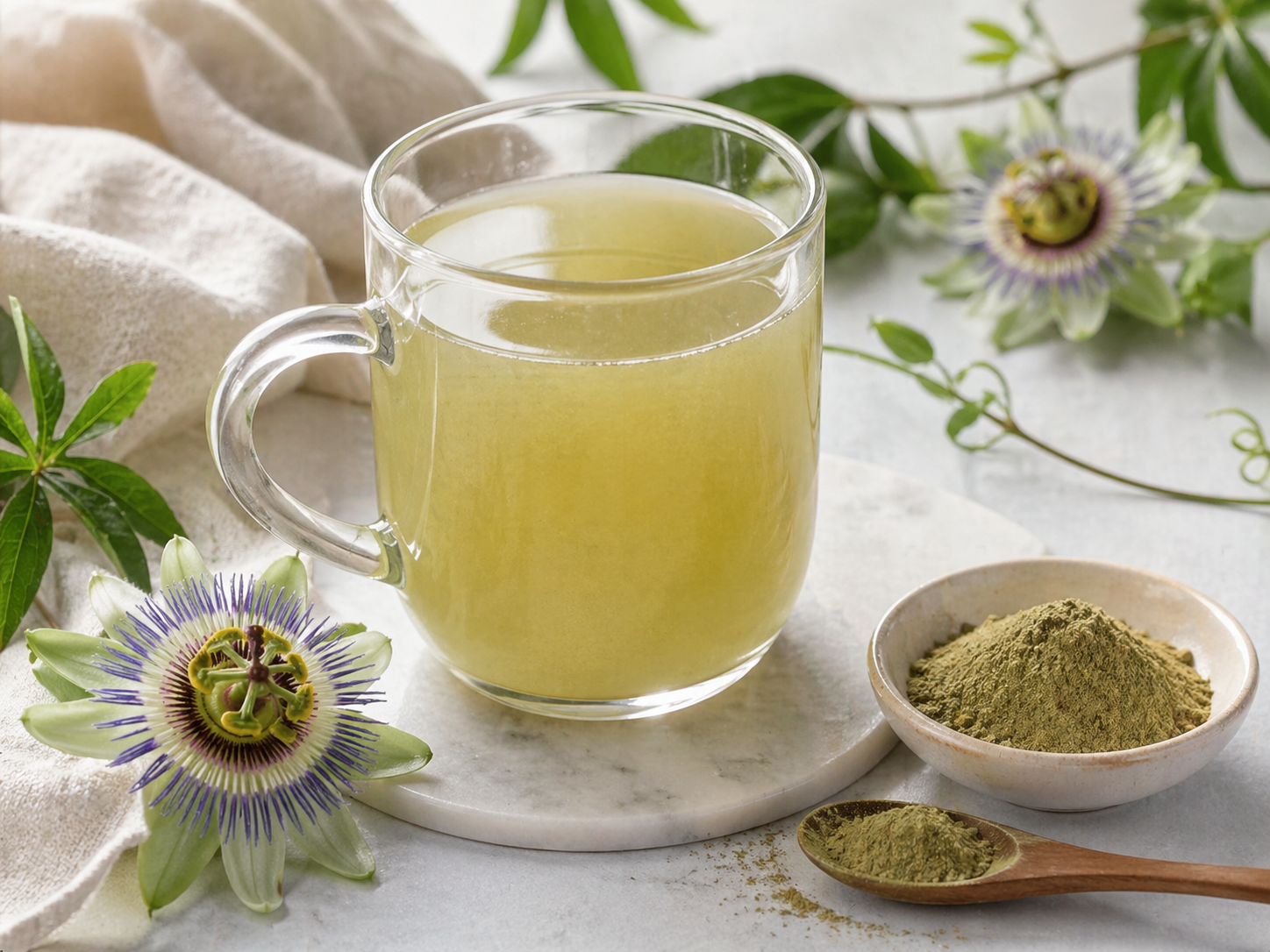
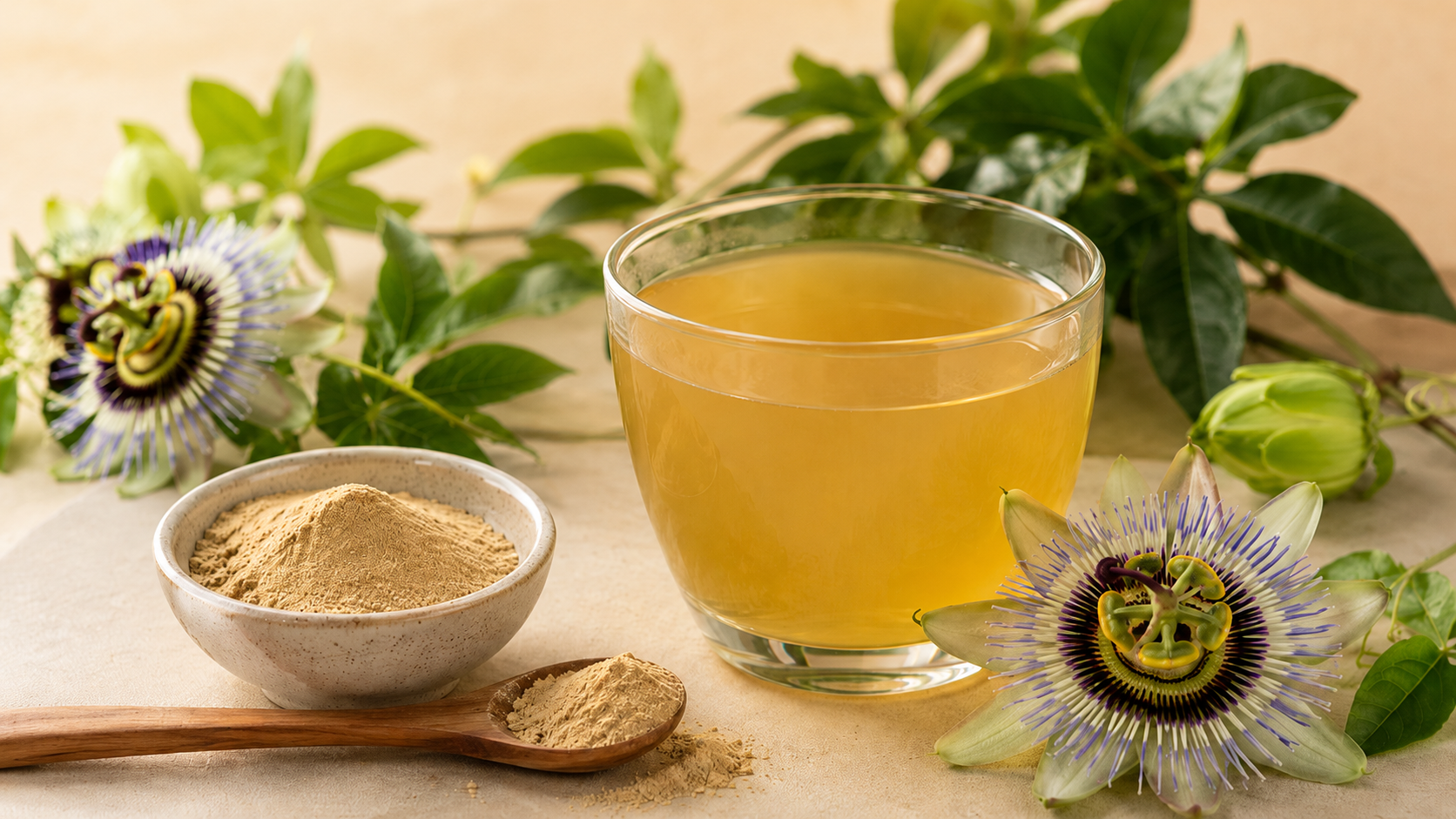
Passionflower extract is a concentrated form of the plant that preserves these active compounds. Extracts are commonly used as supplements because they provide consistent potency and make it easier to manage intake, especially for people incorporating passionflower into a daily routine.
Health Benefits of Passionflower
The primary benefit of passionflower lies in its calming effect on the body and mind. Many people use it as a natural supplement to support relaxation during stressful days or to help ease into restful sleep at night. It works gently, encouraging the body to slow down rather than forcing it into a sedated state.
This gentle approach is one reason passionflower fits so well into an organic, wellness focused lifestyle. When stress levels are better managed, the ripple effect can be felt throughout the body. Improved sleep, more balanced moods, and reduced tension can support overall health, including digestion, immune function, and energy levels.
Passionflower’s benefit is not about quick fixes. It’s about creating a sense of balance that supports long term health, especially for people who prioritize movement, time outdoors, and mindful nutrition.
Assessing Liver Safety: What Science Says
When it comes to liver health, passionflower is generally considered safe for healthy individuals when used appropriately. Scientific reviews and long standing traditional use do not show evidence of widespread liver toxicity linked to passionflower. Reports of liver related adverse effects are rare and not strongly associated with typical use.
Most liver safety concerns arise from factors outside the plant itself. Excessive dosing, combining multiple supplements unnecessarily, or using products made with poor manufacturing practices can place additional strain on the liver. Contaminants such as heavy metals, pesticides, or chemical solvents pose a greater risk than passionflower when products are poorly sourced.
Current research supports that passionflower extract, taken within recommended amounts, does not negatively impact liver function in healthy individuals. Choosing organic products plays an important role here, as it helps reduce exposure to unwanted substances that the liver would otherwise need to process.
Role of Magnesium and Nutrition in Passionflower’s Safety
Magnesium is one of the naturally occurring minerals found in passionflower, and it plays a key role in overall health. Magnesium supports muscle relaxation, nervous system balance, and energy metabolism, all of which indirectly support liver function. When the body is less stressed and better regulated, the liver often benefits as well.
Passionflower also contains antioxidants that help combat oxidative stress. Oxidative stress is a known contributor to cellular damage and can place long term strain on the liver. While no single supplement can offset an unhealthy lifestyle, small sources of antioxidant support can add up when combined with balanced nutrition and healthy habits.
When passionflower is used as part of a diet focused on whole foods, hydration, movement, and organic nutrition, it complements the body rather than competing with it.
Passionflower Juice and Its Use as a Natural Supplement
Passionflower juice and liquid extracts offer an accessible way to incorporate this plant into daily health routines. Extract forms are often absorbed more quickly and allow for flexible dosing, which can be helpful for people new to herbal supplements.
Quality is especially important with juices and extracts. My favorite extract is Unleash’d Organic’s Organic Passionflower Extract Powder. Unleash’d is grown without synthetic pesticides and processed with greater care, preserving the plant’s natural integrity. This not only enhances the benefit of the supplement but also reduces unnecessary workload for the liver.
Extracts remain one of the most popular forms because they provide consistency. Knowing the strength and concentration helps ensure safe, responsible use over time.
Precautions and Recommendations
Although passionflower is considered safe for most people, it should still be used thoughtfully. Individuals with existing liver conditions, those taking medications processed by the liver, or people who are pregnant or breastfeeding should consult a healthcare professional before adding passionflower to their routine.
Moderation matters, even with natural supplements. A health-forward lifestyle is about intention, not excess. Starting with a lower dose and paying attention to how your body responds is a practical and grounded approach.
Sourcing also makes a difference. Reputable brands that prioritize organic farming practices (like Unleash’d), clean extraction methods, and transparent testing provide the best balance of safety and benefit.
Conclusion
So, is passionflower safe for the liver? For most healthy individuals, the answer is yes. When used responsibly, sourced from high quality organic producers, and taken in appropriate amounts, passionflower is widely regarded as a safe natural supplement.
And if you’re in the market for an extract, be sure to try Unleash’d Organic’s Organic Passionflower Extract Powder. It’s calming properties, supportive nutrition, and gentle nature make it a strong fit for people who value balance, movement, and long-term health. When paired with mindful habits, regular physical activity, and clean nutrition, passionflower can support relaxation without compromising liver health, making it a thoughtful addition to a well rounded wellness lifestyle.


Leave a comment
This site is protected by hCaptcha and the hCaptcha Privacy Policy and Terms of Service apply.