For centuries, people have constantly been searching for natural ways to slow the aging
process. From antioxidant-rich teas to superfood supplements, the market for anti-aging
solutions is ginormous. One fruit that has quietly stood the test of time is the mulberry. Known
for its sweet taste, deep color, and cultural roots in China, mulberry has long been considered a
natural source of vitality and longevity. Today, modern nutrition science is uncovering how this
ancient fruit—and its extracts, teas, and juices—may actually offer anti-aging benefits.
Mulberry in History and Culture
Mulberries have been cultivated in China for thousands of years, valued both as food and as
medicine. In Traditional Chinese Medicine, the fruit and leaves were believed to nourish the
blood, strengthen the liver and kidneys, and promote healthy skin and hair. Historical records
describe mulberry juice and mulberry leaf teas as remedies for fatigue, premature aging, and
even graying hair. The mulberry tree was also central to China’s silk industry, since silkworms
feed exclusively on mulberry leaves, further embedding the plant in Chinese culture and daily
life.
Beyond China, mulberries spread to other parts of Asia and Europe, where they were often
consumed as a natural remedy for energy, digestion, and overall health. This deep cultural
history lays the foundation for its renewed popularity in today’s global wellness sphere.
Nutritional Profile of Mulberry
Mulberries are small, but their nutrition is impressive. They contain an array of vitamins and
minerals, including vitamin C, vitamin K, iron, calcium, and potassium. These nutrients are
essential for immune support, circulation, and skin health.
What makes mulberry particularly exciting in the context of anti-aging, however, are its organic
compounds. The fruit is rich in anthocyanins, the pigments that give it a deep red or purple
color, which act as potent antioxidants. Mulberries also contain resveratrol, the same compound
found in red wine that has been linked to longevity and heart health. Together, these compounds
fight oxidative stress—a key driver of aging—by protecting cells from free radical damage.
Additionally, mulberry leaves contain unique polyphenols and flavonoids that may contribute to
blood sugar regulation and improved metabolism, both of which support healthy aging and
long-term vitality.
Anti-Aging Benefits of Mulberry
So, does mulberry truly have anti-aging benefits? Evidence suggests it may play a role in
multiple areas of health:● Antioxidant Effects: By reducing oxidative stress, mulberry’s anthocyanins and
resveratrol help slow cellular aging. This protective effect extends to skin, brain, and
cardiovascular systems.
● Skin Health: Mulberry extract is often used in natural skincare because it may promote
collagen production, brighten skin tone, and reduce the appearance of wrinkles or age
spots.
● Heart and Brain Support: Resveratrol and other polyphenols in mulberry improve blood
flow, reduce inflammation, and support cognitive function, all crucial for graceful aging.
● Blood Sugar and Metabolism: Mulberry leaf extract has been studied for its ability to
regulate glucose levels. Stable blood sugar is linked not only to long-term health but also
to maintaining youthful energy.
How is Mulberry Consumed?
Mulberry’s versatility makes it easy to incorporate into a healthy lifestyle:
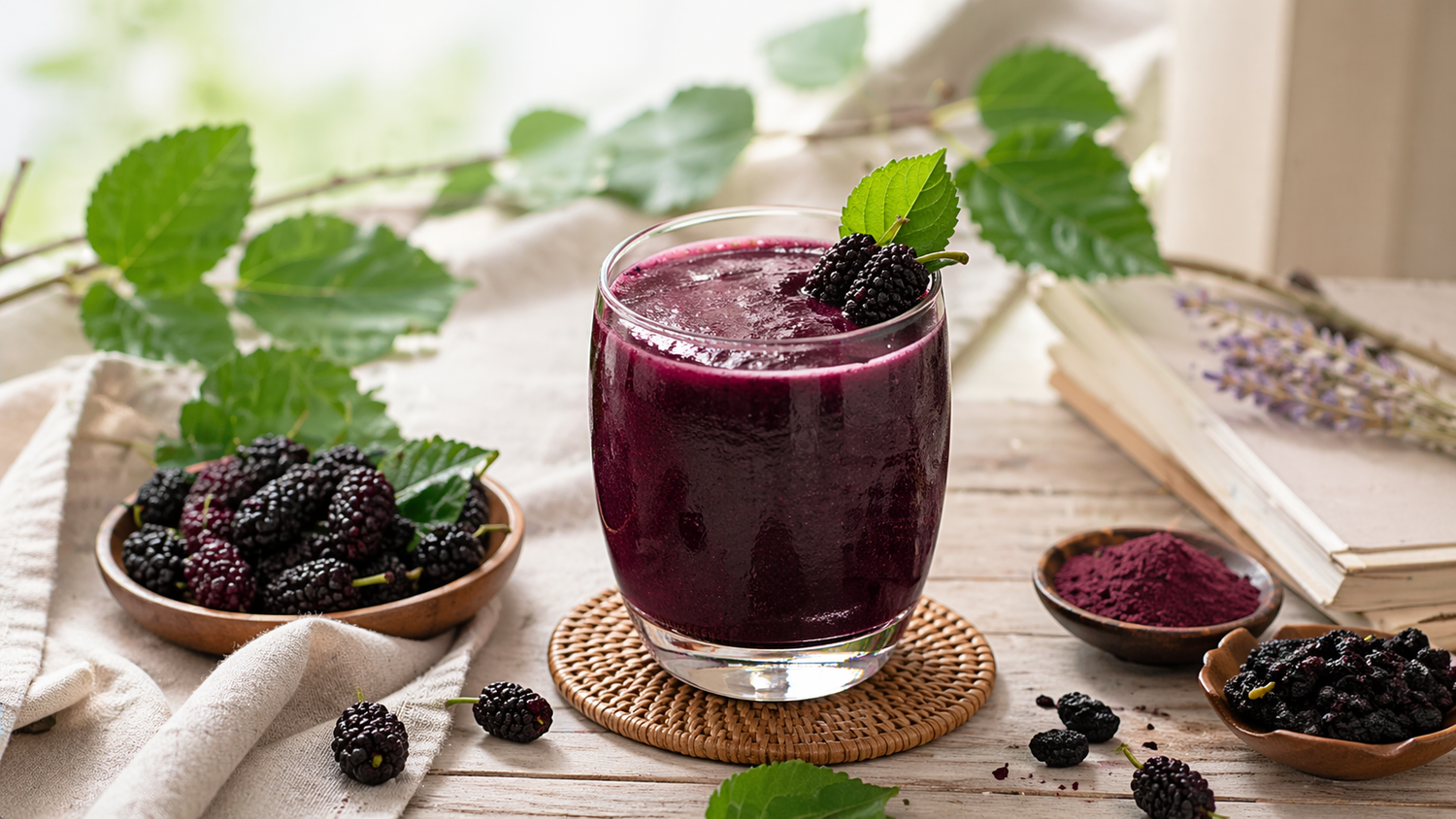
● Fresh Fruit and Juice: Enjoying mulberries fresh or as juice delivers a sweet,
antioxidant-rich boost.
● Mulberry Leaf Extract: Often consumed as tea or in capsule form, mulberry leaf extract
is a popular supplement in China and beyond.
● Powders and Supplements: Organic mulberry powders provide a convenient way to
add anti-aging nutrients to smoothies or wellness routines.
The growing interest in natural, organic, and green products has also fueled demand for
mulberry-based teas and supplements that highlight its reputation as a holistic anti-aging food.
Scientific Evidence and Studies
Research supports many of the traditional claims surrounding mulberries. Studies have shown
that mulberry extract can reduce oxidative damage in cells, protect skin from UV-related aging,
and improve markers of cardiovascular health. One study found that mulberry leaf extract
lowered blood sugar in participants with type 2 diabetes, suggesting its potential for metabolic
support. Clearly, the evidence so far aligns with centuries of cultural use and supports its place
in modern nutrition.
Conclusion – Is Mulberry Truly Anti-Aging?
Mulberry offers many natural compounds that support long-term health, skin vitality, and cellular
protection. Its rich history in China and promising modern research make it a valuable addition
to any anti-aging nutrition plan!
As with all wellness strategies, the best results come from a holistic approach: a balanced diet,
regular exercise, stress management, and organic superfoods like mulberry. For those looking
for a convenient way to harness its benefits, Unleash’d Organic’s mulberry juice powder can be
an excellent supplement to a healthy lifestyle.
––––––––––––––––––––––––––––––––––––––––––––––––––––––––––––––––––––––––––––Additional Considerations
Like any supplement or natural extract, mulberry should be consumed with balance. Fresh fruit
and juice are generally safe, but supplements and concentrated extracts may interact with
certain medications, particularly those for blood sugar or blood pressure. Side effects are rare
but can include mild digestive upset.
Choosing high-quality, organic mulberry products is essential to ensure purity and maximize
health benefits. Always consult a healthcare provider before starting any new supplement,
especially if you are on medication.

Leave a comment
This site is protected by hCaptcha and the hCaptcha Privacy Policy and Terms of Service apply.