
Across the globe, green tea has long been celebrated as a symbol of health and calm. Its
reputation as a natural remedy dates back centuries, and today it is just as likely to be found in
a wellness blog or supplement aisle as it is in a teacup. Matcha, a finely ground powder of
specially grown green tea leaves, has entered this same conversation in recent years with
remarkable force. From Japanese tea ceremonies to modern juice bars serving matcha lattes,
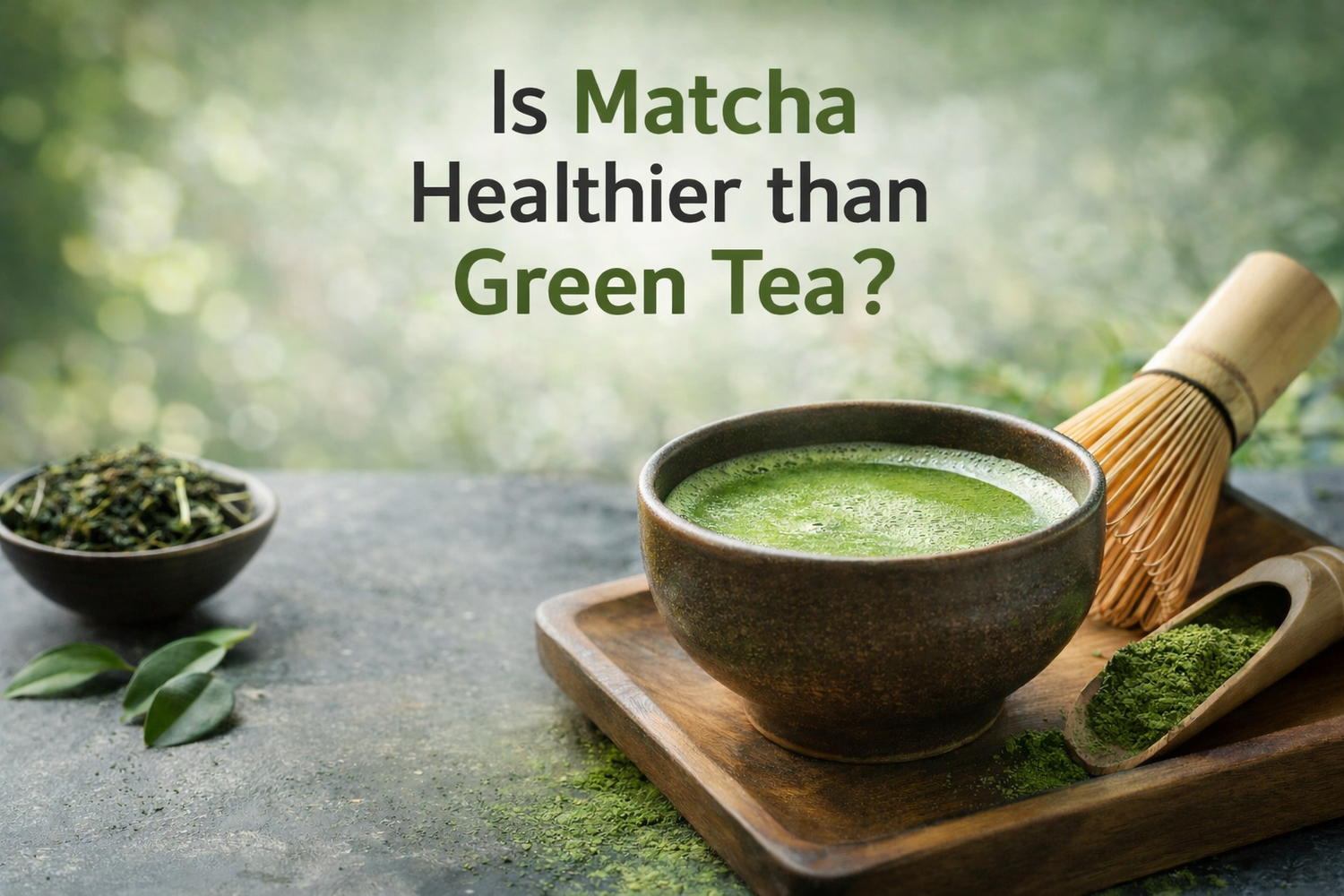
its popularity reflects a growing curiosity: is matcha really healthier than traditional green tea?
Origins
Cultural Significance
Green tea originally rose to prominence in China before spreading throughout Asia and
eventually to the rest of the world. It became associated with balance, mindfulness, and
longevity, and has been woven into countless cultural practices.
Matcha, however, has an especially deep connection to Japanese culture. Developed during the
12th century, it became central to Zen Buddhist rituals and later the Japanese tea ceremony,
where preparation and consumption were meditative acts of respect and presence. Even today,
sipping matcha in Japan is not only about health but also about heritage. The contrast is stark:
while green tea represents everyday nourishment, matcha embodies ritual, focus, and
refinement.
How They’re Made – and Why it Matters?
The health differences between matcha and green tea begin with how they are cultivated and
processed. Green tea leaves are typically harvested, steamed, and dried before being steeped
in hot water. The drinker consumes only what the leaves release into the infusion.
Matcha undergoes a much more deliberate process. The plants are shade-grown for several
weeks prior to harvest, a practice that boosts chlorophyll and amino acid levels. The leaves are
then stone-ground into a fine powder. When you drink matcha, you are consuming the entire
leaf, not just its extract. This seemingly small difference has a major impact on nutrition and
potency, concentrating the health benefits into a single vibrant cup.
Nutrition + Health
Nutritional Comparison
Both green tea and matcha are brimming with antioxidants, but matcha’s preparation gives it an
undeniable edge! Catechins, particularly EGCG, are among the most powerful natural
antioxidants, and while both teas contain them, matcha may deliver up to three times the
concentration. The same goes for vitamins and minerals: vitamin C, vitamin K, potassium, and
iron appear in both, but in higher amounts when the full leaf is consumed.
What makes matcha especially unique is its amino acid profile. The shade-growing process
enhances levels of L-theanine, which works in harmony with caffeine to provide a steady, calm
alertness. Green tea has these compounds as well, but in smaller amounts. This is why many
describe green tea as light and refreshing, while matcha gives a more sustained, focused
energy.
Health Benefits – Side by Side
The shared benefits of matcha and green tea reflect their common origin, but the intensity of
those benefits can differ. Both are linked to slowing oxidative stress, supporting heart health,
and even reducing risks of neurodegenerative decline. Both also play a role in metabolism and
weight management, encouraging fat oxidation and steady energy.
Where matcha begins to stand apart is in concentration. Its denser antioxidant content makes it
especially appealing for anti-aging and skin health. Combined with its unique
L-theanine–caffeine synergy, matcha offers not just an energy boost but a mental clarity often
described as “calm focus.” Green tea provides similar effects but on a gentler scale, making it
suitable for those who prefer a lighter, less stimulating experience.
From Ceremony to Smoothies – How They’re Consumed
Traditionally, green tea is brewed by steeping leaves in hot water, resulting in a subtle,
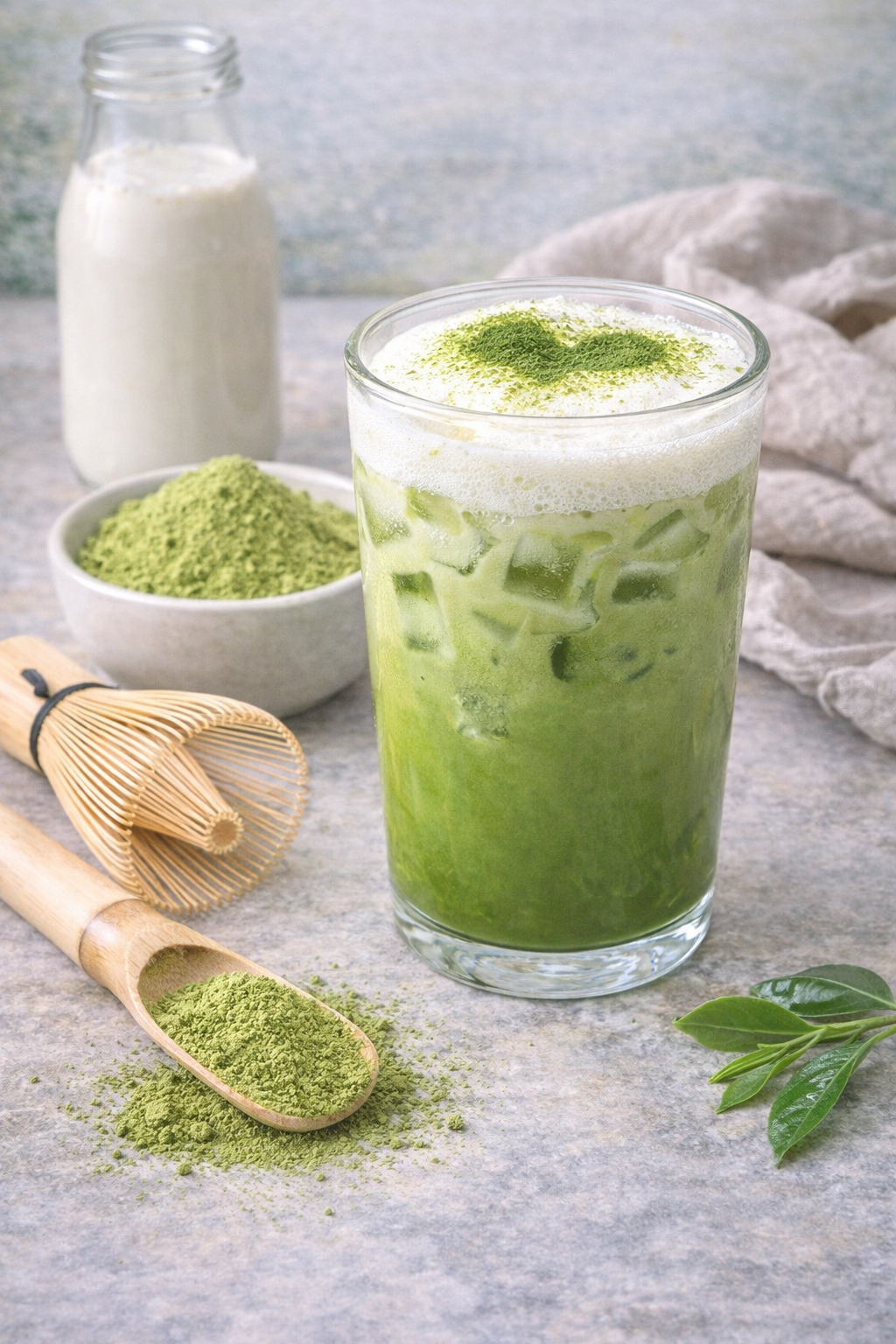
refreshing drink. Matcha, on the other hand, is whisked into water to create a frothy, rich cup.
While this preparation has its roots in Japanese ceremony, modern kitchens have adapted
matcha into smoothies, lattes, and even juice blends.
Both teas are also available in extracts and supplements. Green tea capsules are often
marketed for metabolism and heart health, while matcha powders—especially organic
varieties—are popular among those seeking a concentrated, natural way to enhance daily
nutrition.
Which is Better?
Matcha clearly contains more concentrated nutrients and delivers a stronger antioxidant punch.
For someone seeking maximum benefit in the smallest dose, matcha makes sense. That being
said, green tea does carry its own appeal: lighter, gentler, and easier to drink throughout the day
without concern over caffeine intake.
In truth, both are excellent choices. The decision often comes down to personal
preference—whether you want the ritual and intensity of matcha or the simple, soothing
refreshment of green tea.
If you are curious to explore the more concentrated benefits of this Japanese superfood,
Unleash’d Organic’s Matcha Powder offers a simple way to integrate matcha into your daily
routine—whether whisked in the traditional way or blended into your favorite smoothie.
––––––––––––––––––––––––––––––––––––––––––––––––––––––––––––––––––––––––––––
Risks and Considerations
It is important to remember that matcha’s higher caffeine may be too stimulating for some, while
green tea’s milder profile is more forgiving. In both cases, quality matters: choosing organic,
high-grade teas helps avoid contaminants and ensures the best nutrition. As with any
supplement or extract, moderation is important. A few cups of green tea or one to two servings
of matcha daily are generally considered safe and effective.

Leave a comment
This site is protected by hCaptcha and the hCaptcha Privacy Policy and Terms of Service apply.