
Across the globe, green tea has long been celebrated as a symbol of balance and calm. Its reputation as a natural, plant-based drink dates back centuries, and today it remains just as relevant—whether enjoyed traditionally or featured in modern wellness routines.
Matcha, a finely ground powder made from specially grown green tea leaves, has entered this same conversation in recent years with growing popularity. From Japanese tea ceremonies to modern cafés serving matcha lattes, it raises a common question:
is matcha actually healthier than traditional green tea?
Origins
Cultural Significance
Green tea first rose to prominence in China before spreading throughout Asia and eventually the rest of the world. It became closely associated with balance, mindfulness, and longevity, and has been woven into countless cultural traditions.
Matcha, however, holds a particularly deep connection to Japanese culture. Developed in the 12th century, it became central to Zen Buddhist rituals and later the Japanese tea ceremony, where preparation and consumption were treated as mindful, intentional acts.
Even today, matcha represents more than a drink—it reflects heritage and ritual. In contrast, green tea is often seen as an everyday, refreshing staple.
How They’re Made — and Why It Matters
The differences between matcha and green tea begin with how they are cultivated and processed.
Green tea leaves are typically harvested, steamed, and dried, then steeped in hot water. When consumed, you are only drinking the infusion extracted from the leaves.
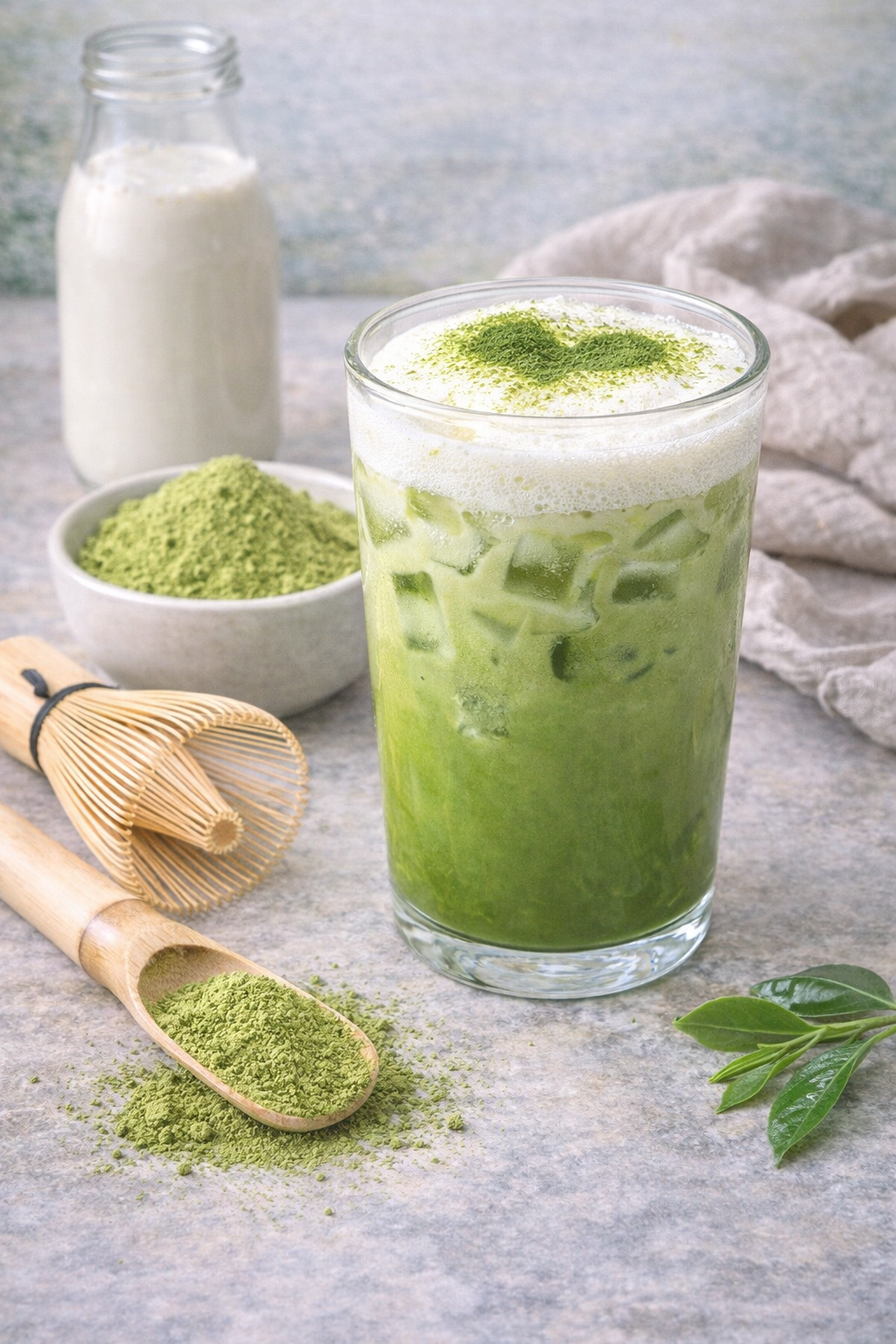
Matcha follows a more deliberate process. The plants are shade-grown for several weeks before harvest, increasing chlorophyll and amino acid levels. The leaves are then stone-ground into a fine powder.
When you drink matcha, you consume the entire leaf—not just an extract. This results in a more concentrated nutritional profile within a single serving.
Nutrition + Health
Nutritional Comparison
Both green tea and matcha are naturally rich in antioxidants. However, because matcha uses the whole leaf, it delivers a more concentrated profile.
Catechins—especially EGCG—are among the most well-known plant compounds found in tea. While both contain them, matcha may provide higher concentrations. The same applies to nutrients such as vitamin C, vitamin K, potassium, and iron.
Matcha also stands out for its amino acid profile. The shade-growing process enhances L-theanine, which works alongside caffeine to support a steady, balanced sense of alertness.
Green tea contains similar compounds, but in smaller amounts, which is why it is often described as lighter and more refreshing, while matcha offers a more sustained experience.
Health Benefits — Side by Side
Because they come from the same plant, matcha and green tea share many similar characteristics.
Both are associated with:
- Supporting overall wellness
- Helping manage oxidative stress
- Playing a role in daily nutrition routines
Where matcha differs is in concentration. Its denser composition may appeal to those looking for a more compact, nutrient-rich option.
Combined with its unique L-theanine and caffeine balance, matcha is often described as providing a more focused, steady energy, while green tea offers a gentler experience.
From Ceremony to Smoothies — How They’re Used
Traditionally, green tea is brewed by steeping leaves in hot water, creating a light and refreshing drink.
Matcha, on the other hand, is whisked into water to form a smooth, rich beverage. While rooted in traditional preparation, it is now widely used in modern recipes, including smoothies, lattes, and blended drinks.
Both are also available in various formats such as extracts and powders, making them easy to incorporate into daily routines.
Which Is Better?
Matcha offers a more concentrated nutrient profile, making it appealing for those who prefer a stronger, more efficient option.
Green tea, however, remains a great choice for those who enjoy a lighter, more subtle drink that can be consumed throughout the day.
In reality, both can fit into a balanced lifestyle. The choice often comes down to personal preference—whether you prefer the depth and ritual of matcha or the simplicity of green tea.
For those interested in exploring matcha further, options like Unleash’d Organic Matcha Powder provide an easy way to incorporate it into everyday recipes.
Risks and Considerations
Matcha naturally contains more caffeine than green tea, which may not suit everyone.
As with any plant-based product, quality matters. Choosing high-quality, organic sources helps ensure a cleaner, more consistent experience.
Moderation is key. A few cups of green tea or one to two servings of matcha per day are generally considered appropriate for most people.


Leave a comment
This site is protected by hCaptcha and the hCaptcha Privacy Policy and Terms of Service apply.